
Vertical Grow Room Setup: Designing Multi-Tier Cultivation for Performance
Vertical cultivation has become one of the most powerful ways to increase production within a fixed building footprint. By stacking canopy levels, operators can dramatically increase output per square foot compared to traditional single-tier cultivation.
However, multi-tier cultivation introduces a new layer of complexity. Once plants are stacked vertically, airflow, environmental control, irrigation, lighting, and labor workflows must all be engineered differently.
A successful vertical grow room is not simply a conventional cultivation room with racks added. It is a carefully designed system where environmental control, plant density, and operational access must work together.
The following principles outline the most important considerations when designing a vertical cultivation environment.
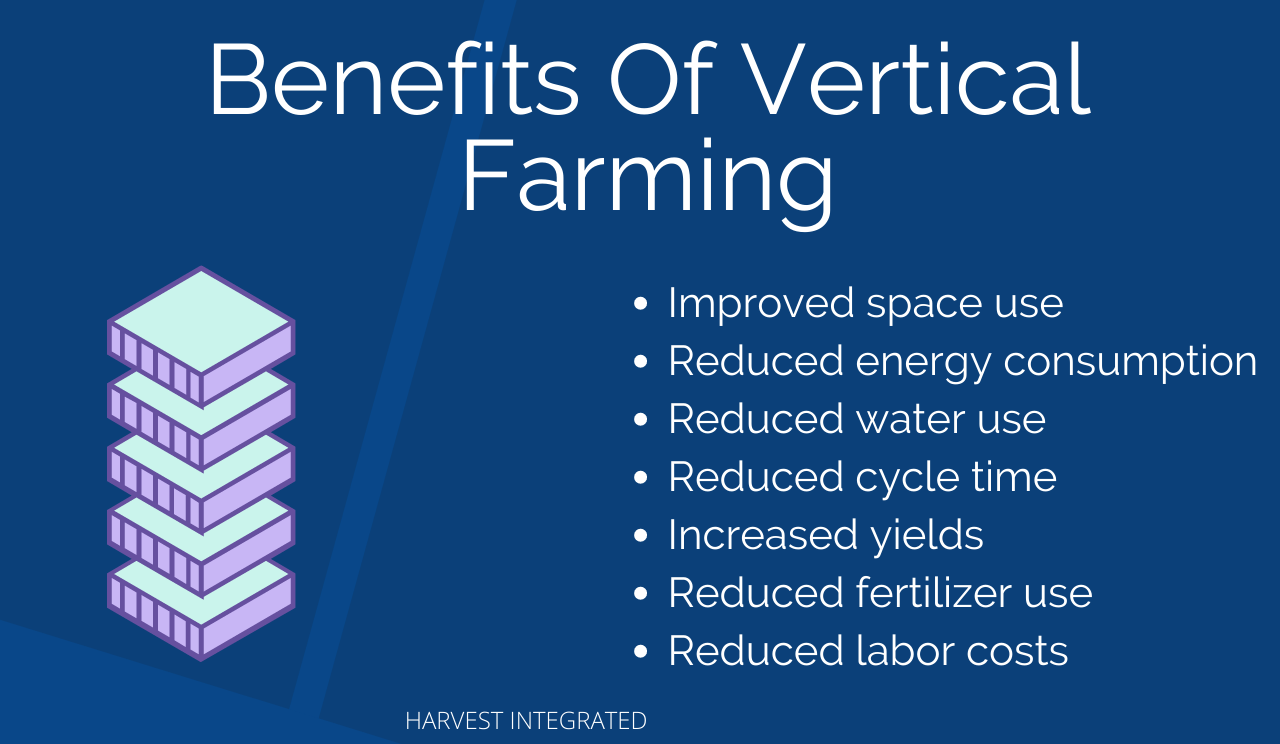
These benefits include:
- Better use of space
- Reduced energy consumption resulting in higher energy efficiency and reduced operational costs
- Reduced water use
- Reduced cycle time and increased yields
- Reduced fertilizer use
- Reduced labor costs
However, as many people in the vertical growing space know, advanced setups come with their own unique set of challenges.
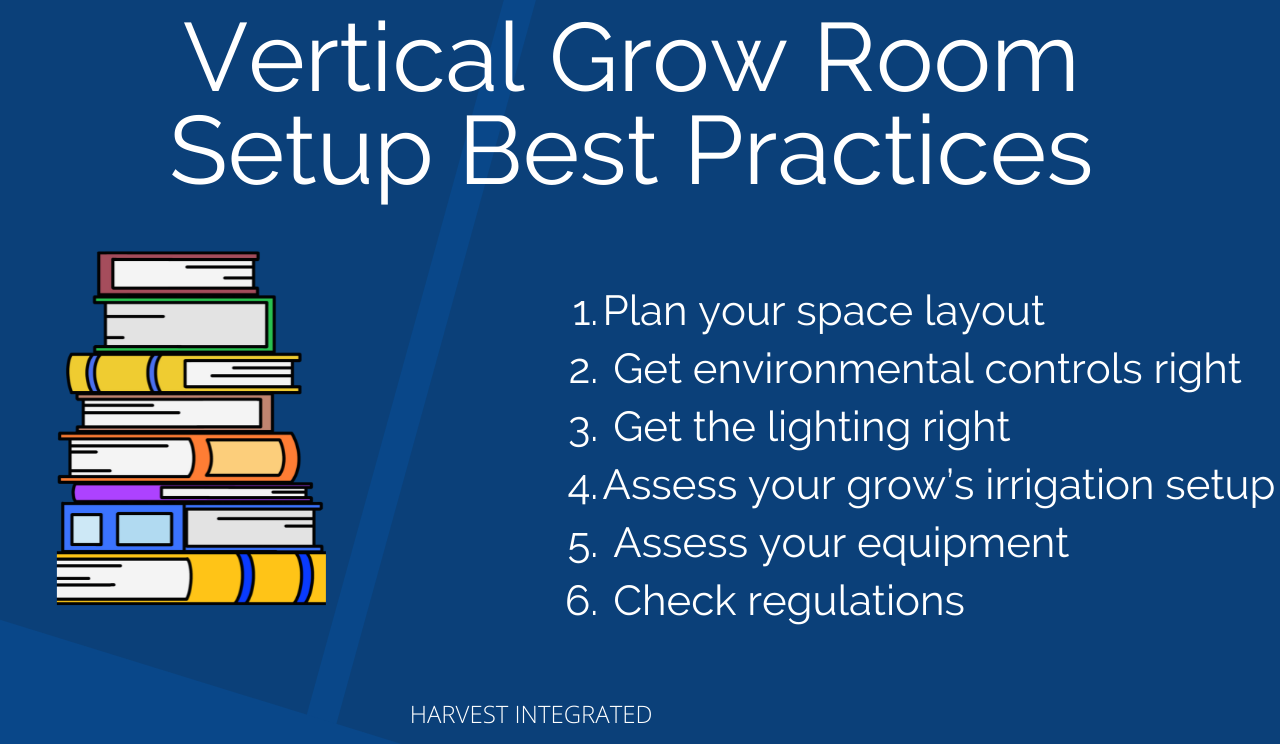
1. Plan the Vertical Grow Layout Carefully
The physical layout of a vertical cultivation room determines how efficiently the facility will operate.
Unlike single-tier rooms where workers can easily access plants from the floor, vertical systems require access to upper tiers using ladders, lifts, or mobile platforms. This means aisle width, rack placement, and workflow must be planned carefully from the beginning.
Access considerations include:
- working aisles wide enough for safe movement
- space for ladders, rolling platforms, or scaffolding
- safe access for plant inspection, pruning, and harvesting
- space for irrigation lines, electrical infrastructure, and airflow pathways
Failing to plan these access points early often results in cramped grow rooms that become difficult to operate efficiently.
2. Choose the Right Racking System
Racking design plays a major role in both productivity and operational flexibility.
Stationary racks can work in smaller facilities, but they often require wide aisles to allow workers to reach plants. This reduces the total canopy density that can be achieved.
Mobile rolling racks allow aisles to open only when needed, significantly improving canopy utilization while still allowing access to the crop.
Regardless of rack type, cultivators should ensure that racks allow sufficient space for:
- plant access and inspection
- cleaning and sanitation
- airflow movement through the canopy
- irrigation and electrical infrastructure
Multi-tier cultivation systems should also include a designated “landing zone” where racks can be opened for work without disrupting the rest of the room.
3. Airflow Is the Most Important Variable
If there is one factor that determines whether a vertical grow succeeds or fails, it is airflow.
Stacking plants vertically dramatically increases canopy density, which restricts air movement. Without carefully designed airflow systems, the upper tiers of a vertical grow room can easily become 10–15°F warmer than the lower tiers, creating microclimates that lead to inconsistent plant performance and increased pathogen risk.
Airflow design in vertical rooms should focus on:
- delivering conditioned air from the working aisle
- pushing airflow across the canopy and through the racks
- preventing short cycling between supply and return air
- ensuring the back of the room receives the same environmental conditions as the front
Room length and rack depth also influence airflow performance. As air travels across longer racks, velocity drops and mixing becomes more difficult.
This is why airflow engineering must be integrated into the mechanical design of the facility rather than treated as an afterthought.
4. Integrated HVACD Systems Are Essential
Vertical cultivation rooms are extremely dense environments with large transpiration loads. Dehumidifiers placed within the grow room often create microclimates and compete with other environmental equipment.
For this reason, integrated HVACD systems are typically the most effective solution for multi-tier cultivation.
These systems allow conditioned air to be delivered directly into the room while simultaneously controlling temperature and humidity.
One of the most important technologies used in these systems is hot gas reheat, which allows operators to dehumidify the room while maintaining stable temperatures.
This capability is critical in vertical grows where large plant populations generate significant moisture loads.
A common strategy is to deliver conditioned supply air low in the room and return warmer air from higher points. However, building structure and rack configuration often influence what is feasible in practice.
Regardless of the configuration, environmental uniformity must remain the primary objective.
5. CO₂ Distribution Must Be Engineered
High-density vertical rooms consume CO₂ rapidly.
Simply releasing CO₂ into the room often results in uneven distribution, especially when airflow patterns are not optimized.
A more effective strategy is to inject CO₂ into the supply air stream, allowing it to mix with conditioned air before entering the cultivation space. This approach improves distribution across multiple canopy levels and helps ensure plants throughout the room receive consistent CO₂ concentrations.
6. Lighting Must Fit the Vertical Environment
Lighting selection is critical in vertical cultivation systems.
Traditional high-pressure sodium fixtures generate excessive heat and require greater distance between the light and canopy, which limits how many tiers can be installed.
High-efficiency LED lighting systems are far better suited to multi-tier environments because they:
- generate less radiant heat
- allow closer canopy spacing
- improve energy efficiency
- provide more consistent light distribution
However, lighting placement must still be carefully designed. Fixture spacing affects airflow pathways, rack height, and the overall structural height of the cultivation system.
7. Irrigation Design Becomes More Complex
Irrigation in vertical cultivation systems must account for gravity and runoff management.
Water applied to upper tiers can create runoff that affects lower tiers if irrigation systems are not properly designed. Drainage systems must be capable of handling increased water volumes while preventing cross-contamination between levels.
Additional considerations include:
- water pressure requirements
- irrigation line balancing
- runoff management
- root zone temperature management
Vertical grows move significantly more water through the facility due to increased plant density, making irrigation system design especially important.
8. Workflow and Labor Planning
Vertical cultivation dramatically increases canopy density, which can increase labor requirements for certain activities.
Tasks such as:
- defoliation
- plant inspection
- integrated pest management (IPM)
- harvesting
all require access to multiple canopy levels.
Because of this, workflow planning becomes essential. Teams must have safe access to upper tiers and sufficient space to perform tasks effectively.
Scaffolding, ladders, and mobile platforms are common tools, but they introduce both safety considerations and operational constraints.
Cultivation teams must be trained to work efficiently within the vertical environment while maintaining safety standards.
9. Pest and Disease Risk Increases with Density
High-density plant environments naturally increase the risk of pests and pathogens.
Limited airflow, high humidity, and dense canopy structure create favorable conditions for diseases such as powdery mildew or botrytis if environmental conditions are not carefully managed.
Preventative strategies include:
- strong airflow design
- environmental consistency
- proactive scouting programs
- disciplined sanitation practices
In vertical grows, small environmental imbalances can escalate quickly due to the density of plant material.
10. Compliance and Safety Considerations
Vertical cultivation facilities must also consider regulatory and safety requirements.
High-density storage of plant material can trigger high-pile storage regulations in some jurisdictions. Fire safety requirements, structural load limits, and worker safety considerations must all be addressed during facility design.
Working with experienced engineers and racking manufacturers ensures that these considerations are incorporated into the design from the beginning.
The Opportunity and the Challenge
When designed properly, vertical cultivation offers extraordinary production efficiency. Multi-tier systems can dramatically increase output per square foot, making them particularly valuable in markets where real estate and licensing costs are high.
However, the increased production density introduces new challenges that require thoughtful design and environmental engineering.
Airflow, environmental control, irrigation, lighting, and labor workflow must all be integrated into a system designed specifically for multi-tier cultivation.
When these systems work together, vertical cultivation can become one of the most powerful tools available to modern cannabis producers.