
Large-scale cannabis greenhouse projects demonstrate how modern environmental control strategies can dramatically improve production efficiency.
Harvest Integrated provided mechanical, electrical, and plumbing (MEP) design support for a 160,000-square-foot greenhouse cultivation facility for Common Citizen in Michigan. The facility was designed to combine the cost advantages of greenhouse sunlight with the environmental precision typically associated with indoor cultivation.
By integrating purpose-built climate systems with disciplined environmental control strategies, the facility has achieved production costs below $250 per pound of finished cannabis while operating with a lean cultivation team.
Several key environmental design strategies contribute to this level of performance.
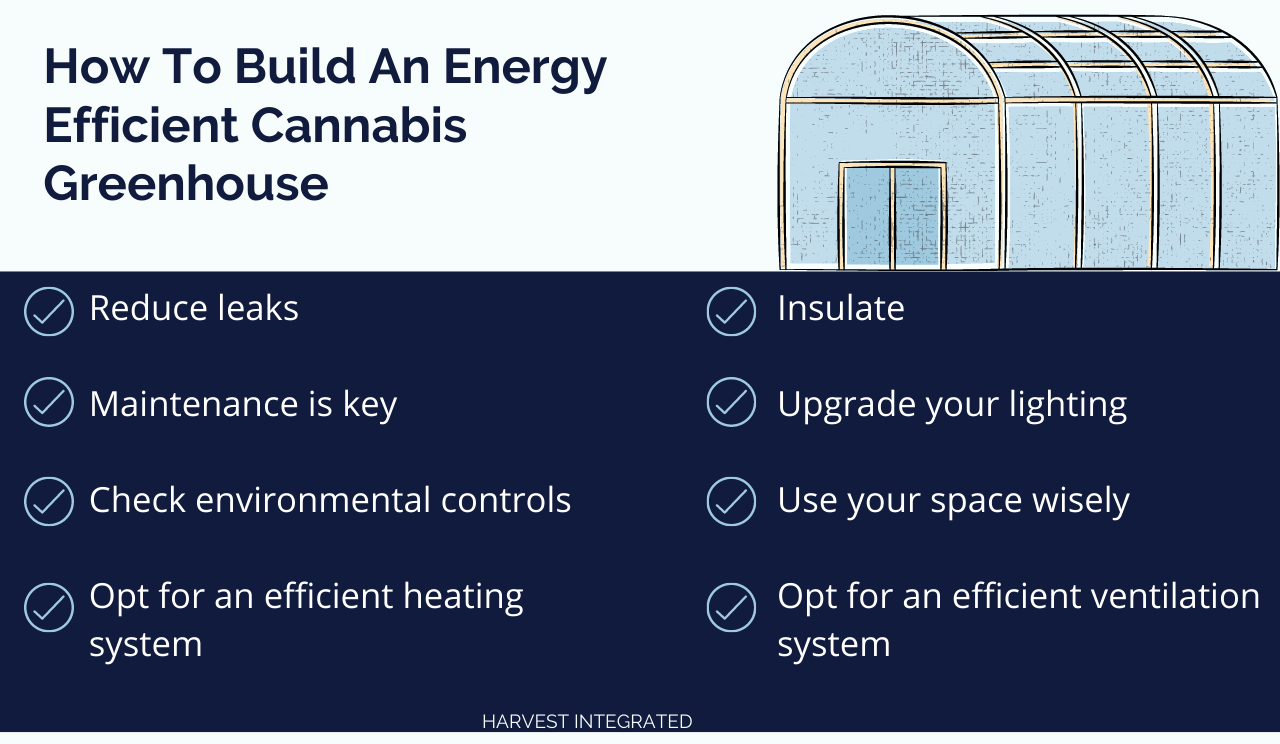
1. Under-Bench Heating Improves Energy Efficiency
Rather than relying solely on hot gas reheat systems, the greenhouse utilizes under-bench heating to deliver heat directly where plants need it most.
This approach improves energy efficiency in several ways:
• Heat is delivered closer to the plant canopy and root zone
• Warm air rises through the canopy, promoting uniform temperature distribution
• Less energy is wasted heating unused upper greenhouse air volume
Under-bench heating also helps maintain stable root-zone temperatures, supporting consistent plant metabolism and nutrient uptake.
2. Insulate
Greenhouses, cannabis ones included, are designed to allow the most sunlight into the growing space. Unfortunately, they often have limited insulating properties. The same clear panels that let light into the greenhouse are poor insulators and they make greenhouses lose heat at night or during winter months through radiation, conduction, and convection.
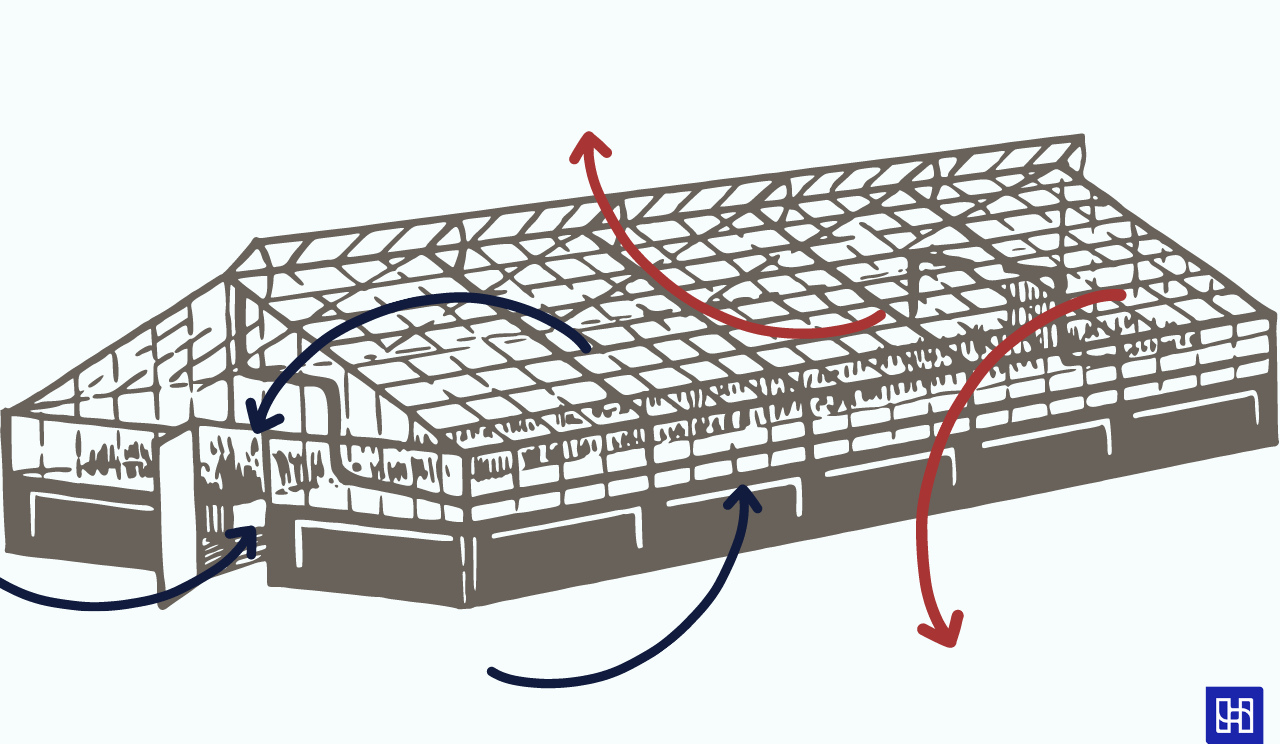
So how do you avoid this loss of heat?
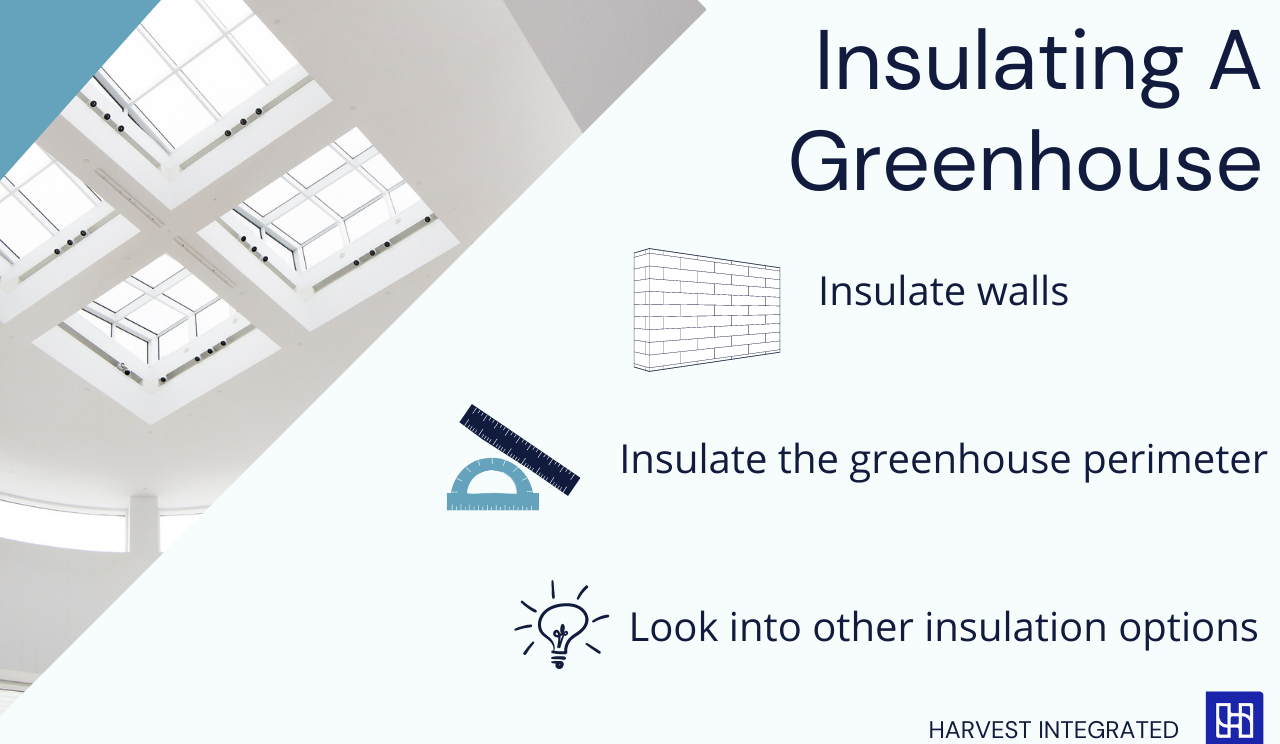
Improving Greenhouse Insulation
Greenhouses are designed to transmit as much sunlight as possible, which naturally limits their insulating capability compared to conventional buildings. The same glazing materials that allow light to reach plants also allow heat to escape through radiation, convection, and conduction—particularly during cold nights and winter months.
Because heating is often one of the largest energy costs in greenhouse cultivation, improving insulation where possible can significantly reduce operating expenses while stabilizing the growing environment.
Insulating the North Wall
Not every greenhouse surface contributes equally to plant productivity. In most northern hemisphere locations, the north-facing wall receives very little direct sunlight, particularly during winter months. This makes it one of the most practical locations to improve insulation without significantly affecting light availability to the crop.
Rather than leaving the north wall fully glazed, many facilities improve insulation by incorporating insulated wall panels or insulated coverings on that surface. Because little light is lost, this modification can substantially reduce nighttime heat loss while improving environmental stability within the greenhouse.
Improving insulation on non-productive surfaces is one of the simplest ways to reduce heating demand without compromising plant performance.
Insulating the Greenhouse Perimeter
Another often-overlooked source of heat loss occurs along the greenhouse perimeter at ground level.
Soil is an effective conductor of heat, particularly when it is wet. When the soil outside the greenhouse is colder than the interior environment, heat can transfer through the ground and escape along the greenhouse foundation.
Installing an insulating barrier along the perimeter of the greenhouse—such as rigid foam insulation extending into the soil—can reduce this conductive heat loss. This relatively simple improvement can improve thermal stability and reduce heating demand during colder months.
Modern Greenhouse Films
Advancements in greenhouse covering materials have also improved insulation performance while maintaining strong light transmission.
Double-layer polyethylene film systems, commonly referred to as double poly, create an insulating air pocket between the two layers. This air space significantly reduces heat transfer compared to single-layer coverings.
Double poly systems can reduce heating demand substantially while remaining relatively inexpensive and easy to install. Many modern films also include features such as:
• anti-condensation coatings that prevent water droplets from forming on the interior surface
• light diffusion properties that improve canopy light distribution
• infrared-blocking additives that reduce nighttime heat loss
Infrared-blocking films help retain heat during colder periods by reducing radiative heat loss through the greenhouse covering.
While these specialty films can be more expensive than standard polyethylene, the energy savings and improved environmental stability often justify the investment.
Thermal Screens
Thermal screens are another powerful tool for greenhouse insulation. These retractable screens act as movable insulation layers inside the greenhouse.
During cold nights, thermal screens trap warm air near the crop canopy and reduce heat loss through the roof of the greenhouse. During sunny days or warm seasons, the same screens can provide shade, reducing solar heat gain and lowering cooling demand.
Depending on climate conditions, thermal screens can reduce heating demand by 30–40 percent while also improving environmental uniformity within the greenhouse.
Balancing Light and Energy Efficiency
As with many greenhouse design decisions, insulation improvements involve balancing energy efficiency with light transmission.
Additional layers of glazing or screening can improve thermal performance, but they may also slightly reduce the amount of sunlight reaching the plants. Successful greenhouse designs carefully balance these trade-offs to maintain both high crop productivity and efficient climate control.
By improving insulation in strategic areas and using modern greenhouse materials, operators can significantly reduce heating demand while maintaining strong plant performance.
3. Upgrade your cannabis greenhouse lighting
One of the greatest advantages of greenhouse cultivation is the ability to combine natural sunlight with supplemental lighting in what is commonly known as mixed-light cultivation. This approach allows growers to take advantage of free solar energy while still maintaining consistent plant performance throughout the year.
However, successful mixed-light cultivation requires more than simply installing supplemental lights. It requires understanding how daily light integral (DLI), spectrum, and environmental conditions interact to drive plant performance.
Understanding Daily Light Integral (DLI)
Daily Light Integral represents the total amount of photosynthetically active radiation (PAR) delivered to plants over a 24-hour period. In cannabis cultivation, DLI is one of the most important drivers of plant growth and yield.
Sunlight levels in greenhouses vary significantly based on:
• geographic location
• season
• cloud cover
• greenhouse glazing materials
During winter months in northern climates, natural sunlight often falls well below the DLI required to support optimal cannabis production. Supplemental lighting is therefore used to close the gap and maintain consistent plant productivity.
Modern mixed-light facilities often target total DLI ranges between 30–45 mol/m²/day depending on cultivar, growth stage, and environmental conditions.
4. VPD-Based Environmental Management
The cultivation strategy at large scale facilities focus heavily on vapor pressure deficit (VPD) as a core environmental metric driven by leaf temperature and manipulated with airflow.
Rather than controlling temperature and humidity independently, environmental conditions are managed together to maintain optimal VPD ranges that support consistent plant transpiration and photosynthesis.
Maintaining stable VPD allows plants to regulate water movement more efficiently, which improves nutrient transport from the root zone and supports predictable growth patterns throughout the cultivation cycle.
This approach also allows irrigation strategies and environmental conditions to remain synchronized, reducing the risk of overwatering or stalled transpiration events that can occur when humidity or temperature fluctuate.
5. Greenhouse Climate Control as a Closed System
The success of the Common Citizen greenhouse highlights an important principle of modern cannabis cultivation:
Environmental control must be approached as an integrated system rather than a collection of independent components.
Lighting, airflow, humidity management, heating, and irrigation strategies all interact to influence plant performance. When these systems are designed and controlled together, greenhouse environments can achieve high levels of productivity while maintaining efficient energy use.
Facilities that integrate modern climate infrastructure with disciplined environmental management strategies are increasingly able to achieve strong production outcomes while maintaining competitive operating costs.
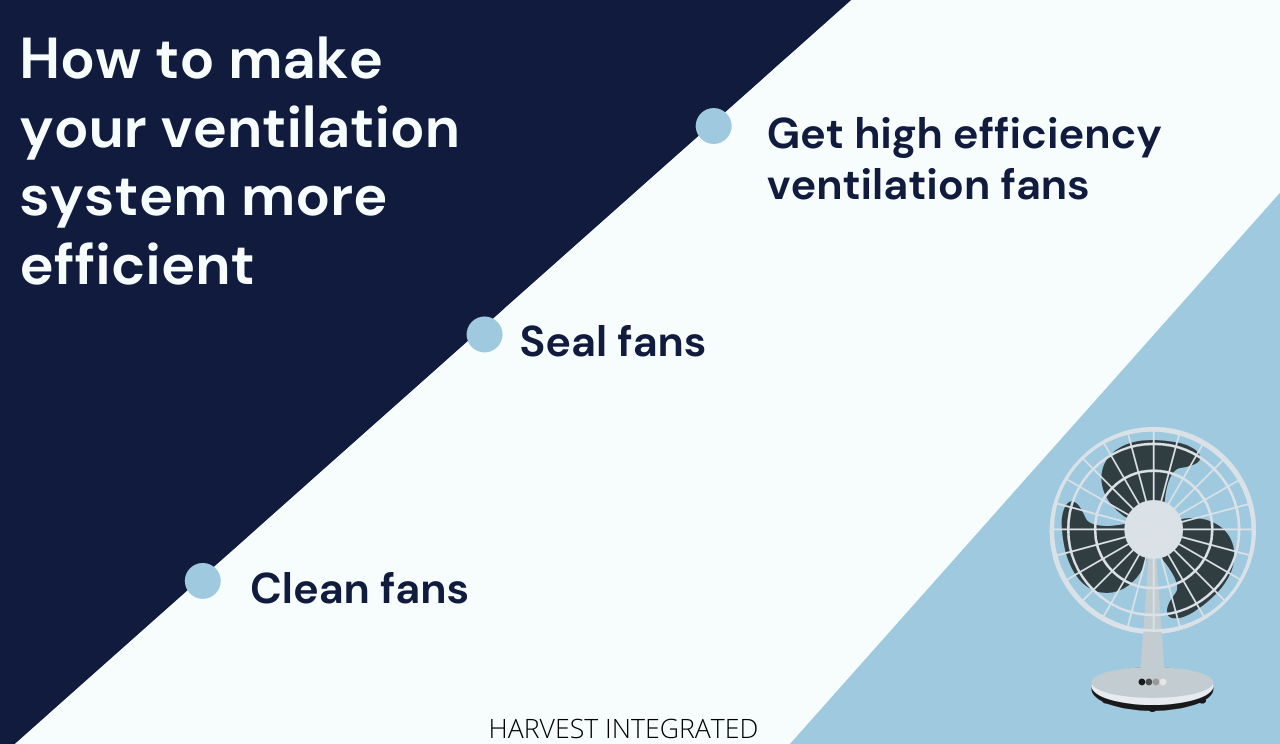
6. Airflow Engineering: The Missing Layer in Greenhouse Climate Performance
Air movement is one of the most overlooked variables in cannabis greenhouse cultivation, yet it plays a critical role in plant health, environmental uniformity, and overall climate system efficiency.
Airflow influences nearly every biological process occurring in the greenhouse, including transpiration, CO₂ assimilation, humidity management, and plant temperature. Without properly engineered air movement, even well-designed heating and cooling systems can struggle to maintain consistent environmental conditions across the canopy.
For this reason, airflow should be approached not as an afterthought but as a core component of greenhouse climate system design.
Commissioning and Airflow Balancing
A properly functioning greenhouse ventilation system begins with commissioning and air balancing.
Commissioning ensures that the mechanical systems perform according to the original design intent. Air balancing verifies that the correct volume of air is being delivered to each zone within the greenhouse.
Without commissioning, airflow systems may operate far from their intended performance levels. Fans may move insufficient air, certain zones may receive excessive airflow while others receive very little, and humidity pockets can develop across the canopy.
In cannabis cultivation, these imbalances can lead to inconsistent plant growth, uneven transpiration rates, and localized disease risk.
Airflow commissioning ensures that the greenhouse climate behaves predictably and that environmental setpoints can be maintained across the entire growing space.
Air Volume and Air Exchange
Greenhouse airflow systems must move large volumes of air to maintain environmental stability. This air movement serves several critical functions:
• mixing air throughout the greenhouse to eliminate temperature and humidity gradients
• refreshing the boundary layer surrounding plant leaves to support transpiration and gas exchange
• distributing conditioned air from HVACD equipment throughout the canopy
In large commercial greenhouses, airflow design must account for both total air movement volume and air distribution patterns to ensure that plants throughout the facility experience similar environmental conditions.
Using EC Fans at Commercial Scale
Modern greenhouse airflow systems increasingly rely on electronically commutated (EC) fans.
EC fans provide several advantages compared with traditional AC fan motors:
• higher electrical efficiency
• variable speed control
• quieter operation
• improved reliability
Variable speed capability allows environmental control systems to adjust airflow dynamically based on changing climate conditions.
For example, airflow may increase during periods of high transpiration or decrease during nighttime conditions when humidity loads are lower.
This flexibility allows growers to maintain consistent canopy airflow while minimizing unnecessary energy consumption.
Fan Orientation and Airflow Patterns
Fan orientation and placement are just as important as fan capacity.
Improperly positioned fans can create uneven airflow patterns, resulting in zones with excessive wind speeds and other areas with stagnant air.
In greenhouse environments, fans are typically positioned to create horizontal air circulation patterns that move air parallel to the canopy rather than directly downward onto plants.
This strategy promotes uniform mixing while avoiding mechanical stress on plants.
Careful fan orientation also helps maintain consistent leaf boundary layer conditions, which directly influence plant transpiration and gas exchange.
Ventilation Strategy and Environmental Control
Greenhouses traditionally rely on ventilation systems to manage temperature and humidity. While ventilation can be effective under certain conditions, uncontrolled ventilation can also introduce environmental instability.
When ventilation is used, it must be carefully coordinated with the rest of the climate system.
For example:
• ventilation during CO₂ enrichment can remove valuable carbon dioxide from the growing environment
• excessive ventilation can disrupt humidity control and increase heating demand during colder months
Modern greenhouse facilities increasingly combine mechanical ventilation with controlled HVACD systems to maintain more stable environmental conditions.
This hybrid approach allows operators to balance the benefits of natural ventilation with the precision of mechanical climate control.
Airflow as a Foundation for Plant Performance
Ultimately, airflow is not just a mechanical design consideration—it is a biological one.
Proper air movement supports plant transpiration, improves CO₂ distribution, stabilizes humidity levels, and helps maintain consistent canopy temperatures.
When airflow systems are properly designed, commissioned, and controlled, they create the environmental stability required for high-performance cannabis cultivation.
In modern greenhouse environments, airflow engineering has become an essential component of both climate control strategy and crop management.
7. Environmental Controls: Understanding What You Can Control—and What You Can’t
Modern greenhouse cultivation increasingly relies on advanced environmental control systems to maintain stable growing conditions. These systems monitor and manage variables such as temperature, humidity, CO₂ levels, irrigation, and airflow. However, effective greenhouse management requires more than installing sensors and controllers. It requires understanding both the capabilities and the limits of environmental control.
Greenhouses operate in constant interaction with the outside environment. Solar radiation, seasonal temperature swings, humidity levels, and weather patterns all influence the greenhouse climate. In some situations, these external factors can dominate internal conditions, especially in naturally ventilated greenhouses.
For this reason, successful greenhouse operators must understand when the environment is controllable, when it is not, and how control strategies should adapt accordingly.
Sensor Range and Resolution
Environmental control systems depend on accurate sensing. Sensors measure key parameters including:
• air temperature
• relative humidity
• CO₂ concentration
• light intensity
• airflow
• substrate moisture and electrical conductivity
Two characteristics determine the usefulness of these sensors:
Range and resolution.
Range refers to the span of environmental values a sensor can measure. Resolution refers to how precisely the sensor detects small changes within that range.
High-resolution sensors allow operators to detect subtle shifts in environmental conditions before they escalate into larger problems. For example, small changes in humidity levels can indicate shifts in plant transpiration, irrigation timing, or ventilation behavior.
However, sensor placement and density are just as important as sensor quality. Measurements should represent the plant canopy environment rather than isolated locations that may not reflect the conditions experienced by the crop.
The Role of Geographic Influence
Unlike indoor cultivation facilities, greenhouses are strongly influenced by their geographic location. Climate conditions vary widely between regions, affecting heating requirements, humidity management, and ventilation strategies.
In colder northern climates, heating demand can be substantial during winter months. In warmer regions, cooling and dehumidification loads may dominate.
Seasonal sunlight levels also influence greenhouse performance. During summer months, solar radiation can quickly raise greenhouse temperatures, requiring shading, ventilation, or mechanical cooling. During winter months, reduced solar radiation may limit plant growth unless supplemental lighting is used.
Understanding these geographic influences is essential when designing greenhouse climate strategies.
Environmental Control Strategies
Greenhouse climate systems typically rely on a combination of control strategies to maintain plant-friendly conditions.
These may include:
Ventilation
Ventilation allows outside air to enter the greenhouse and replace warm or humid internal air. It is one of the oldest and most widely used greenhouse climate management techniques.
However, ventilation also reduces the operator’s ability to control CO₂ levels and humidity precisely, since outside air conditions may vary significantly.
Mechanical Cooling
Cooling systems such as evaporative cooling pads, chilled water systems, or integrated HVACD units can help stabilize greenhouse temperatures when solar heat loads exceed acceptable levels.
Mechanical cooling becomes particularly important in sealed or semi-sealed greenhouse environments where ventilation is minimized.
Humidity Control
Humidity levels must be managed carefully in cannabis cultivation to support plant transpiration while minimizing disease risk.
Humidity control can involve ventilation, mechanical dehumidification, or coordinated heating strategies that increase air temperature to encourage moisture removal.
Irrigation and Fertigation
Environmental conditions strongly influence irrigation strategies. When transpiration rates increase due to higher temperatures or light levels, plants consume more water and nutrient solution. Irrigation schedules must adapt to these changes to prevent substrate saturation or nutrient imbalances.
This is where integrating environmental monitoring with substrate sensors can significantly improve irrigation precision.
Recognizing the Limits of Control
Even the most advanced greenhouse control systems cannot fully override outdoor environmental conditions.
For example:
• extreme outdoor humidity may limit the effectiveness of ventilation-based humidity control
• very low outdoor temperatures may increase heating demand beyond design expectations
• high solar radiation can create large internal heat loads that require additional cooling strategies
Understanding these limits allows operators to adjust cultivation practices and climate strategies accordingly.
In some cases, this may involve reducing plant density, adjusting irrigation frequency, or modifying lighting schedules during extreme weather conditions.
Control as a Decision Framework
Ultimately, greenhouse control systems should be viewed not just as automation tools but as decision frameworks.
Sensors provide the data needed to understand environmental conditions. Controllers use that data to trigger appropriate responses such as opening vents, adjusting fans, activating cooling systems, or modifying irrigation schedules.
When designed and operated effectively, these systems allow growers to maintain stable environments while responding dynamically to external changes.
In greenhouse cultivation, the goal is not to eliminate environmental variability entirely—but to manage it intelligently.
Integrated Control Supports Plant Performance
Environmental variables are deeply interconnected. Temperature influences humidity, humidity influences transpiration, and transpiration influences nutrient movement through the plant.
By coordinating ventilation, cooling, humidity control, irrigation, and airflow systems through a unified control platform, greenhouse operators can maintain environmental conditions that support consistent plant performance.
When environmental control systems are properly designed and integrated, growers gain the ability to guide plant development rather than simply react to environmental fluctuations.
8. Space Utilization: Balancing Canopy Density with Airflow and Operations
In commercial cannabis cultivation, maximizing canopy area is often seen as the fastest path to higher yields. However, overpacking a greenhouse can quickly create operational and environmental problems. Effective space utilization is not simply about fitting more plants into a room—it is about balancing plant density with airflow, plant development, and the ability for cultivation teams to work efficiently.
Most commercial cannabis greenhouses operate with 70–80% canopy utilization, though the ideal percentage can vary depending on cultivation style, plant size, and operational workflow. The remaining space is not wasted—it serves important biological and operational functions.
Space for Airflow and Environmental Mixing
Air movement is essential for maintaining uniform temperature, humidity, and CO₂ levels throughout the greenhouse. Plants continuously transpire moisture, and without sufficient air movement this moisture can accumulate around the canopy, creating localized humidity pockets and increasing disease risk.
Properly designed cultivation spaces include negative space for air mixing so that conditioned air can circulate effectively throughout the room. This allows ventilation systems, airflow fans, and HVACD equipment to distribute temperature and humidity evenly across the canopy.
If plants are packed too tightly together, airflow becomes restricted, environmental gradients develop, and climate systems must work harder to maintain stable conditions.
Space for Plant Growth and Trellising
Cannabis plants expand significantly during vegetative growth and early flowering. Adequate spacing ensures that plants have room to develop full canopy structure without excessive shading or crowding.
This space also supports trellising systems used to guide plant growth and maintain structural support for flowering branches. Trellis installation, adjustment, and removal all require physical access to the canopy, which must be considered when designing plant layouts.
Without sufficient spacing, trellising becomes difficult to manage and canopy development can become uneven.
Working Aisles for Cultivation Tasks
Operational access is another critical factor in greenhouse design. Cultivation teams must be able to move efficiently through the facility to perform routine tasks such as:
• defoliation
• pruning
• plant inspection and pest scouting
• irrigation maintenance
• harvesting
Dedicated working aisles allow teams to perform these tasks without damaging plants or disrupting the canopy. These aisles also provide access for carts, equipment, and harvest bins, which are essential in large commercial operations.
Without adequate working space, routine cultivation tasks become slower and more difficult, increasing labor costs and reducing operational efficiency.
Designing for Both Plants and People
Effective greenhouse design considers both the biological needs of plants and the practical needs of the cultivation team.
Plants require space for airflow, light penetration, and structural growth. Workers require space to access the crop, maintain environmental systems, and execute cultivation practices efficiently.
The most successful facilities strike a balance between these requirements, using canopy density strategies that maximize production while still preserving the airflow pathways and operational access needed to maintain a healthy crop.
The Role of Space in Environmental Stability
Ultimately, space management influences how well environmental systems perform. Airflow, humidity control, CO₂ distribution, and temperature stability all depend on the ability of air to move freely through the canopy.
When cultivation spaces are designed with both airflow and operational access in mind, environmental control systems can function more efficiently and plants experience more consistent growing conditions.
In this way, thoughtful space utilization becomes a key component of both crop performance and operational success in greenhouse cannabis cultivation.
9. Maintenance: The Foundation of Consistent Greenhouse Performance
No matter how advanced the greenhouse design, how sophisticated the environmental controls, or how carefully the cultivation strategy is planned, none of it matters without proper maintenance.
Every greenhouse relies on mechanical systems—fans, pumps, compressors, valves, sensors, lighting, irrigation equipment—and every mechanical component will eventually wear down. Bearings fail, filters clog, sensors drift, coils accumulate debris, and motors lose efficiency. These failures are not a question of if, but when.
The real question for greenhouse operators is whether these problems are discovered early enough to prevent environmental instability.
Monitoring Makes Problems Visible
Modern cultivation facilities increasingly rely on environmental monitoring to track equipment performance and detect emerging issues before they become major failures.
Monitoring systems can reveal patterns that indicate mechanical problems, such as:
• declining airflow across coils
• increasing compressor runtimes
• temperature or humidity deviations from expected behavior
• irregular fan performance or vibration
• inconsistent irrigation or fertigation delivery
When environmental data is reviewed consistently, these changes can be identified early—often long before a component fails outright.
Early detection allows operators to schedule maintenance proactively rather than reacting to emergencies that disrupt cultivation conditions.
Preventative Maintenance Protects Environmental Control
Preventative maintenance is one of the most effective ways to maintain consistent greenhouse performance. Regular inspections and service help ensure that environmental systems continue to operate at their intended capacity.
Routine maintenance may include:
• cleaning coils and heat exchangers
• replacing filters
• checking fan motors and bearings
• verifying sensor calibration
• inspecting irrigation and fertigation components
• confirming proper airflow and ventilation operation
These activities may seem routine, but they are critical to maintaining the stability of the cultivation environment.
Without regular maintenance, environmental systems gradually lose efficiency. As performance declines, maintaining precise temperature and humidity control becomes more difficult, and cultivation teams may find themselves constantly adjusting setpoints in an attempt to compensate.
Know the Tools and the Levers
Environmental control systems provide many tools to manage greenhouse conditions: fan speeds, ventilation rates, heating and cooling capacity, irrigation schedules, and humidity management strategies.
However, these tools are only effective when the underlying mechanical systems are functioning properly.
If airflow is reduced because fans are dirty or failing, humidity control becomes more difficult. If cooling equipment loses efficiency, temperature stability becomes harder to maintain. If sensors drift out of calibration, control decisions may be based on inaccurate data.
When mechanical systems are not maintained, operators gradually lose the ability to control the environment effectively.
Maintenance Enables Consistency
Successful cannabis cultivation depends on environmental consistency. Plants respond best when temperature, humidity, airflow, and light conditions remain stable from day to day.
Achieving that consistency requires disciplined operational practices:
• regular environmental data collection
• routine equipment inspections
• preventative maintenance schedules
• clear performance metrics for environmental systems
These practices allow operators to detect problems early, correct them quickly, and maintain the stable conditions required for high-performing crops.
Consistency Drives Performance
In the end, greenhouse cultivation is not only about advanced technology or innovative cultivation strategies. It is about executing those strategies reliably over time.
Well-maintained systems provide the foundation for that reliability. When environmental equipment operates at peak performance, growers can maintain precise control over climate conditions and focus on optimizing plant growth.
When maintenance is neglected, environmental stability deteriorates and the ability to control the grow becomes increasingly difficult.
Simply put:
Maintenance equals consistency.
And in commercial cannabis cultivation, consistency is what ultimately drives both crop quality and long-term profitability.